Rental Property Cleanout: What Landlords Should Address Between Tenants

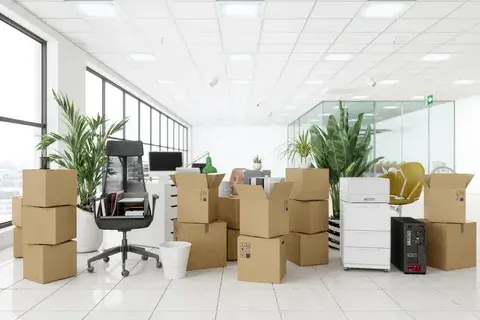
When one tenant moves out and another prepares to move in, landlords need to do more than collect keys and schedule a cleaning appointment. I approach property turnover by prioritizing abandoned belongings, visible damage, essential repairs, and sanitation before focusing on cosmetic improvements. At Supreme Junk Removal & Services, the practical value of a thorough rental property cleanout comes down to identifying problems early and preparing the space for its next occupant. A consistent process helps landlords control avoidable expenses, reduce delays, and maintain their properties between leases.
Key Takeaways
Inspect every room and document its condition before removing belongings.
Follow applicable laws before disposing of property left by former tenants.
Clear unwanted furniture and debris before deep cleaning or repairs.
Check essential fixtures, locks, plumbing, and safety equipment.
Schedule the final inspection before approving the next move-in.
1. Inspect the Property Before Starting the Cleanout
I recommend beginning every turnover with a complete walkthrough rather than immediately removing everything left behind. Check bedrooms, closets, kitchen cabinets, bathrooms, garages, storage spaces, and outdoor areas. Items hidden behind furniture or inside utility rooms can create additional work if discovered after cleaning or repairs have already started.
Photographs and written notes help establish the property's condition at the end of a tenancy. Compare these records with the original move-in inspection, lease agreement, and maintenance history. This makes it easier to identify damaged fixtures, missing items, ordinary wear and tear, and problems that require further attention.
Landlords should also identify belongings that cannot automatically be treated as trash. Depending on applicable laws and circumstances, personal property left behind may require written notice, storage, or an opportunity for retrieval. Confirm the correct procedure before arranging disposal.
2. Remove Unwanted Furniture and Accumulated Debris
Once the inspection is complete and the status of remaining belongings is clear, I recommend separating items into categories. Property-owned furnishings should be retained when needed, reusable items can be evaluated for donation, and approved waste should be prepared for appropriate disposal. This simple distinction reduces confusion and helps prevent accidental disposal of valuable or necessary property.
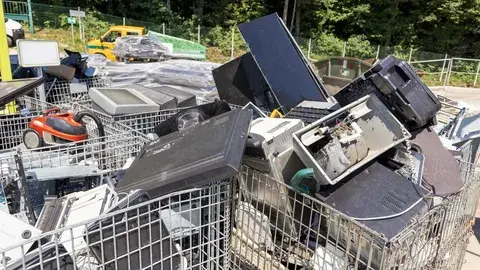
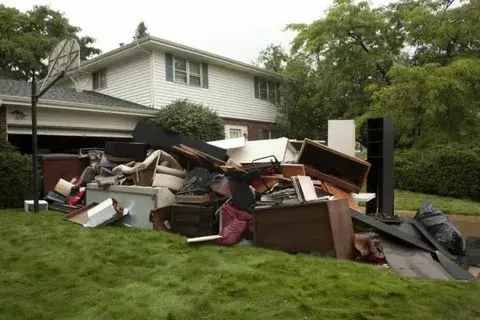
Old mattresses, broken tables, damaged shelving, worn-out carpets, and discarded appliances can occupy considerable space. Leaving these materials inside a rental unit makes it harder to inspect floors, clean corners, and identify damage beneath furniture. Clearing them first gives maintenance workers better access and helps establish the actual scope of the remaining work.
Landlords arranging junk removal services in Boston, MA should confirm which materials the provider accepts, whether heavy-item handling costs extra, and how disposal is managed. Paint, chemicals, certain electronics, and potentially contaminated materials may require separate arrangements rather than ordinary hauling.
3. Prioritize Repairs That Affect Safety and Function
After unwanted items have been removed, I focus on defects that could affect safety, habitability, or the property's basic operation. Inspect door locks, window latches, plumbing fixtures, visible electrical components, flooring, handrails, and water-damaged surfaces. A property may appear clean while still containing problems that could inconvenience the next tenant or lead to more expensive repairs.
Check under sinks for leaks, examine ceilings for water stains, and look for signs of pest activity around cabinets and baseboards. Test smoke alarms and carbon monoxide alarms where required, and confirm that other legally required safety features are operational. Electrical faults, significant plumbing problems, and suspected structural damage should be evaluated by qualified professionals.
For landlords seeking property cleanout services, coordinating removal with repair work can prevent unnecessary repeat labor. Large debris should generally be cleared before flooring replacement, painting, and detailed cleaning begin. If an inspection reveals mold, sewage contamination, or other hazardous conditions, determine whether specialized remediation is necessary before proceeding with ordinary cleaning.
4. Clean Kitchens, Bathrooms, and Living Spaces Thoroughly
With the property cleared and essential repairs identified, the cleaning process becomes more straightforward. Kitchens need attention around cabinet interiors, countertops, sinks, cooking appliances, refrigerators, and areas where grease or food residue can accumulate. Check whether landlord-provided appliances work properly instead of assuming that a clean exterior means everything is functional.
Bathrooms require careful cleaning of toilets, showers, tubs, sinks, mirrors, and ventilation areas. Inspect grout and caulk for deterioration, and investigate persistent moisture or recurring odors rather than simply covering them with fragrance. These details can reveal maintenance issues that might otherwise go unnoticed during a quick walkthrough.
Bedrooms and common areas should receive consistent attention as well. Dust reachable fixtures, clean windows where appropriate, remove remaining debris, and inspect flooring for stains or damage. If carpets require professional treatment, schedule it after dusty repairs are complete. This order reduces the likelihood of having to clean the same surfaces twice.
5. Account for Biloxi's Climate and Local Disposal Requirements
Biloxi's Gulf Coast climate makes moisture management an important part of rental property maintenance. Warm, humid conditions can contribute to mildew and persistent odors when damp materials remain in closed rooms. During turnover, inspect areas around windows, exterior doors, plumbing connections, and other locations where leaks or condensation may occur.
Severe weather can also leave fallen branches, damaged screens, windblown debris, and signs of water intrusion. Outdoor areas, sheds, garages, and covered patios should be included in the inspection rather than overlooked because the main living space appears ready. Flood-affected materials may require special handling and should not automatically be mixed with ordinary household waste.
Before scheduling disposal, check the current waste collection requirements applicable to the property's location. Municipal services, private haulers, and specialized disposal facilities may have different rules for bulky furniture, appliances, construction debris, and hazardous materials. Confirming these details in advance helps prevent rejected loads and unnecessary delays.
6. Set a Realistic Budget and Turnover Schedule
The cost of preparing a rental property depends on its size, condition, location, and the volume of material that must be removed. A lightly used apartment may need routine cleaning and a few minor repairs, while a larger home containing abandoned furniture, damaged flooring, and deferred maintenance may require several contractors and multiple visits.
I recommend dividing the budget into separate categories for hauling, cleaning, maintenance labor, replacement materials, appliance repairs, and pest treatment. Reviewing previous invoices from similar properties provides a more useful estimate than applying one national average to every vacancy. Labor rates, disposal charges, and the condition of the unit can vary considerably.
The schedule should also account for the order of work. Complete removal and disruptive repairs first, follow with detailed cleaning, and finish with a walkthrough. Leave some flexibility for unexpected discoveries, such as a leaking valve or damaged flooring hidden beneath a piece of furniture. A realistic schedule is more dependable than promising a move-in date before the property has been fully assessed.
7. Establish a Repeatable Turnover Checklist
A written checklist helps landlords manage vacancies consistently, particularly when overseeing several rental units. Record the inspection, belongings disposition, removal completion, repair status, cleaning results, and final approval. Assigning responsibilities to individual contractors or staff members makes it easier to identify outstanding tasks.
Before handing over the property, confirm that required safety devices work, essential fixtures operate correctly, and doors and windows secure properly. Rekeying locks or updating access codes may also be appropriate, subject to the property's locking system and applicable requirements. Retain photographs, receipts, and maintenance records for future reference.
I also recommend reviewing each completed turnover to identify recurring expenses. If the same appliance repeatedly fails or moisture damage returns in the same location, addressing the underlying cause may be more valuable than continuing to make temporary repairs. This approach helps landlords maintain their properties while making future turnover planning more predictable.
Frequently Asked Questions
How long does a rental property cleanout usually take?
The timeline depends on the property's size, the amount of unwanted material, and the repairs required. A relatively empty apartment may need only a short preparation period, while a heavily cluttered house with maintenance issues can take several days or longer.
Can landlords immediately dispose of belongings left by former tenants?
Not necessarily. Applicable laws may require notice, storage, or an opportunity for the former tenant to retrieve personal property. Landlords should verify the rules that apply to their location and circumstances before arranging disposal.
Should junk removal happen before cleaning?
Generally, yes. Removing approved waste and bulky items first makes it easier to access floors, cabinets, and other surfaces. Cleaning after disruptive repairs are finished also reduces repeat work.
What should landlords inspect before a new tenant moves in?
Check locks, windows, plumbing, appliances, flooring, visible signs of moisture, and required safety equipment. Document any unresolved issues and confirm that the property meets applicable housing and safety requirements before occupancy.
How can landlords reduce turnover expenses?
Consistent inspections, clear move-out procedures, prompt maintenance, and an organized checklist can help prevent avoidable delays. Keeping records of previous costs also helps landlords estimate future expenses more accurately.
Prepare Your Rental Property for Its Next Tenant
I consider a successful turnover the result of several coordinated tasks rather than a single cleaning appointment. A thorough inspection, lawful handling of abandoned belongings, timely repairs, responsible disposal, and detailed cleaning help create a property that is ready for its next occupant. By following the same practical sequence after each vacancy, landlords can identify recurring maintenance issues, improve scheduling, and make better decisions about long-term property care.
Arrange Help With Your Rental Property Cleanout
If a rental unit contains unwanted furniture, bulky appliances, or accumulated debris, consider arranging removal before final cleaning and maintenance begin. Contact a local provider to explain the property's size, the types of materials involved, and your preferred completion date. Ask about accepted items, disposal arrangements, scheduling, and any additional charges for heavy or specialized materials. Planning ahead can improve access for repair workers, reduce avoidable delays, and help you prepare the property for its next tenant with fewer complications.