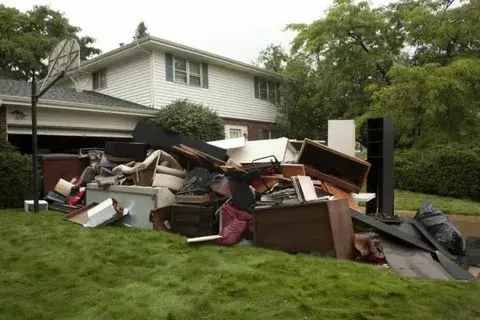
Everything I've Learned About Debris Removal Service in Wellesley, MA

Debris removal service in Wellesley, MA, involves collecting and hauling away unwanted materials left behind by renovations, yard work, property cleanouts, and other projects. The right approach depends on the debris type, total volume, access to the property, and disposal requirements. At Supreme Junk Removal & Services, we help property owners understand what needs to be removed and how to prepare for a manageable cleanup. The biggest mistake we see is treating every pile of debris the same way. Broken drywall, tree branches, old flooring, and discarded furniture require different handling and disposal decisions. A little planning before the hauling begins can prevent delays, reduce unnecessary lifting, and help keep the property accessible throughout the process.
What Should You Do Before Removing Property Debris?
Short answer: Identify the materials, separate anything that needs special handling, and determine how the crew will reach the debris. These three checks help establish a realistic removal plan before loading begins.
Identify the materials: Separate ordinary construction waste, household junk, yard debris, and items that may require special disposal.
Estimate the volume: Look at how much space the debris occupies, including large pieces hidden beneath smaller materials.
Check access: Consider stairs, narrow gates, basement entrances, parking restrictions, and the distance between the pile and the loading area.
Protect useful items: Move tools, reusable building supplies, and personal belongings away from the materials scheduled for removal.
Confirm disposal needs: Ask whether any items require separate collection rather than ordinary hauling.
These checks matter because a pile's appearance can be misleading. A small stack of broken concrete, for example, may be much heavier than a larger pile of cardboard packaging. Volume alone does not tell the whole story.
Consider a homeowner replacing a bathroom floor. Several rolled sections of old flooring may fit into a modest space, while broken tile and cement board can create a heavy load. The crew needs to consider both the amount of debris and the weight of the materials.
Another common situation involves a garage cleanout. Cardboard boxes, scrap wood, old shelving, and unwanted household items might occupy the same corner, but sorting them before collection can make the job more straightforward.
You should also decide what stays. Marking reusable materials and personal belongings prevents confusion when several people are working around the same pile. Once debris is mixed together, recovering a small item can become difficult.
Which Debris Removal Mistakes Create Problems?
Short answer: Mixing unsuitable materials with ordinary waste, underestimating the load, and leaving access unclear are common mistakes. Each can create extra handling, delay collection, or require a different disposal arrangement.
Mixing materials without checking disposal requirements
Some property owners place every unwanted item in one pile because they assume everything can go to the same facility. That approach can create problems when the load contains chemicals, certain electronics, paint products, or other restricted materials.
Ordinary hauling should not be treated as a solution for hazardous waste. Separate disposal arrangements may be necessary, depending on the material and local requirements.
Underestimating how much debris a project creates
A renovation can produce more waste than expected. Removing old cabinets, for instance, may reveal damaged trim, packaging, broken panels, and leftover materials that were hidden from view.
A common planning error is estimating the load before demolition is complete. If more debris is still being generated, the original removal arrangement may no longer fit the job.
Crew tip: If a renovation is ongoing, separate the debris already produced from materials that will come out during the next work stage. This makes it easier to decide whether one collection or several scheduled pickups make more sense.
Forgetting about access and carrying distance
A debris pile beside a driveway is different from one in a basement or behind a narrow backyard gate. Carrying distance, stairs, tight corners, and obstacles can affect how a crew approaches the work.
Before collection, explain where the materials are located. A clear description helps the removal team plan the route and identify possible access problems.
Leaving reusable items in the removal area
Old lumber, unopened building materials, and working fixtures may still have value to the property owner. If they're mixed with broken waste, they can be accidentally removed or damaged.
Set aside anything you intend to keep before the crew begins loading. The distinction should be clear enough that nobody has to guess.
What Should You Avoid During Debris Cleanup?
Short answer: Avoid lifting loads beyond your ability, breaking unknown materials apart, or putting restricted waste into a general debris pile. A careful separation process protects people and helps prevent disposal problems.
A do and don't approach makes cleanup decisions easier.
Do:
Label separate piles: Identify construction debris, yard waste, reusable materials, and ordinary household junk.
Keep walkways clear: Leave a safe route between the property entrance and the collection area.
Tell the crew about unusual materials: Mention old building components, chemical containers, or items with uncertain contents before handling is planned.
Check the weather: Protect suitable materials from rain when practical, especially if wet debris could become heavier or harder to move.
Confirm the removal boundary: Make clear which piles, rooms, or outdoor areas are included in the job.
Don't:
Overload containers: Excessively heavy bins can be difficult to move and may create lifting hazards.
Burn unwanted materials: Burning mixed construction waste can release harmful smoke and does not solve disposal requirements.
Assume older materials are harmless: Suspected asbestos-containing products and lead-painted materials need appropriate assessment and handling.
Block access routes: Debris left across stairs, entrances, or narrow paths can create trip hazards.
Mix everything together: Combining materials can make sorting and disposal more complicated.
Some situations call for professional assessment before cleanup proceeds. Older buildings, in particular, may contain materials that should not be disturbed without the right precautions. If you suspect asbestos or lead-based paint, avoid breaking, sanding, sweeping, or otherwise disturbing the material.
Crew tip: Tell the removal provider what you know about the debris before the appointment. If the material's identity is uncertain, describe its appearance and location rather than guessing what it contains.
The goal is to prepare the work area without creating another problem. Basic organization helps, but it should never come at the expense of safety.
When Should You Arrange Professional Debris Removal?
Short answer: Professional hauling is worth considering when debris exceeds your vehicle's capacity, requires repeated trips, involves difficult access, or includes materials you cannot safely move yourself. Small, clean piles may still be manageable without a service.
The decision comes down to more than the size of the pile. Think about the work involved in collecting, loading, transporting, and finding an appropriate disposal option.
A small amount of dry cardboard from a delivery may be easy to handle through ordinary recycling. A garage containing a broken workbench, damaged shelving, and several bulky household items presents a different challenge.
Construction debris creates additional concerns. Broken tile, lumber, drywall, and masonry can have sharp edges or uneven shapes. Loading them into a vehicle without proper planning may damage the vehicle or make the load unstable.
Property owners also need to consider time. If a renovation crew needs an area cleared before installing new materials, leaving debris in place can interfere with the next stage of work.
Professional removal can be useful in situations such as:
Renovation cleanup: Old cabinets, flooring, drywall, and packaging need to leave the work area before finishing begins.
Yard projects: Branches, damaged outdoor fixtures, and accumulated yard debris are taking up usable space.
Rental turnovers: Unwanted furniture and discarded household items remain after a tenant moves out.
Garage and basement cleanouts: Bulky objects occupy storage areas and create narrow walking paths.
Property preparation: Debris must be cleared before maintenance, landscaping, or another planned project.
Still, hiring a removal service is not automatically the right choice. If you have a small amount of clean, lightweight material and a suitable disposal option, handling it yourself may be more practical.
Dumpster rental is another alternative when a project produces debris over several days. It can suit ongoing renovations, provided the property has adequate space and the rental terms allow the materials being discarded.
The trade-off is responsibility. With a dumpster, you generally manage the loading and need to follow the provider's rules for accepted materials and weight. A hauling service is often more suitable when you want a crew to collect a prepared pile or remove selected items from the property.
How Can You Tell Whether Debris Needs Special Handling?
Debris removal in Wellesley, MA, should begin with identifying what the waste contains, not simply deciding where it will go. Material type determines whether ordinary hauling is suitable, whether sorting is needed, and whether a separate disposal arrangement should be made.
Construction materials from older properties
Renovation waste may contain drywall, plaster, wood, tile, insulation, or flooring. Most ordinary materials can be assessed for standard disposal options, but older components deserve extra attention.
Some older flooring, insulation, and other building products may contain asbestos. Lead-based paint may also be present in older homes. Appearance alone cannot reliably establish whether a material contains a hazardous substance.
If a material is suspected of containing asbestos or lead, stop disturbing it and seek qualified guidance. A general debris crew should not be expected to identify hazardous substances by sight.
Electronics and household equipment
Computers, televisions, and certain appliances may need separate collection or recycling arrangements. Some appliances also contain refrigerants or other components that require specialized handling.
Before scheduling removal, describe the exact item rather than referring to everything as household junk. A working refrigerator, a broken microwave, and an old television can have different disposal requirements.
Yard waste and heavy outdoor debris
Branches, leaves, grass clippings, and small shrubs are different from soil, stones, concrete, and brick. Yard waste may be suitable for composting or green waste collection, while masonry is heavy and may require a separate disposal option.
Wet leaves can also become compacted, and damp wood may weigh more than expected. A pile that looked manageable after a dry afternoon may be harder to move after rain.
When the material is unusual, the safest approach is to identify it before collection. That single step helps prevent unsuitable items from being loaded into a vehicle or sent to the wrong facility.
What Happens During a Typical Removal Visit?
Short answer: A typical debris removal visit begins with a review of the materials, their location, and the access route. The crew then confirms the agreed scope, loads the accepted items, and checks the work area for anything that remains.
The exact process depends on the property's layout and the kind of waste involved, but the main stages are straightforward.
Review the debris. The crew identifies the items scheduled for removal and checks whether the load includes materials requiring separate handling.
Confirm the work area. You identify what should go, what must stay, and whether the debris is in a garage, basement, yard, or renovation area.
Plan the loading route. The crew considers stairs, narrow doors, uneven ground, and the distance to the vehicle.
Load the accepted materials. Items are moved and loaded according to their size, weight, condition, and handling needs.
Check the cleared area. You can review the agreed work area and point out any remaining items included in the arrangement.
Preparation can shorten the time spent deciding what belongs in the load. For example, a homeowner who marks a stack of reusable lumber separately from broken trim can avoid repeated questions during collection.
A basement cleanup may require more planning than a pile beside the driveway. Low ceilings, narrow staircases, and tight turns can affect how bulky items are moved. Some furniture may need to be handled differently because of its dimensions.
Weather can also influence outdoor work. Rain may make grass slippery, while frozen ground can complicate access around a yard debris pile. The crew should account for site conditions rather than assuming every outdoor load can be handled in the same way.
The final check matters. Debris removal should follow the agreed scope, so you should confirm whether the service covers only the visible pile or also selected items inside the property.
How Can You Keep a Cleared Property From Filling Up Again?
Short answer: Create a designated collection area, separate waste as the project progresses, and schedule removal around the stages that generate the most debris. Consistent handling prevents discarded materials from spreading across the property.
Renovation projects often produce waste in waves. Demolition creates one group of materials, installation produces packaging and offcuts, and finishing work creates another round of scraps. Waiting until the entire project ends can leave the work area crowded.
A better approach is to match cleanup with the job's progress. Ask the contractor when major debris-producing stages are expected to finish, then plan collection around those milestones.
Outdoor projects benefit from similar planning. Keep branches and yard waste in a designated area that does not block drainage paths, walkways, or vehicle access. Avoid placing heavy debris on surfaces that may not support the load.
For a garage cleanout, establish separate spaces for items to keep, donate, recycle, and discard. The categories do not need to be complicated. Their purpose is to prevent unwanted items from being mixed with belongings you still use.
Disposal decisions should also account for local requirements. Accepted materials and collection options can differ, so check the applicable guidance before setting out unusual waste.
One useful habit is to assess the collection area at the end of each workday. A quick check can reveal whether debris is spreading into a doorway, blocking equipment, or becoming mixed with reusable materials.
Questions People Ask About Debris Removal
Can I leave debris outside before the collection appointment?
Yes, if the location is suitable and the materials can remain there safely. Keep the pile away from entrances, public walkways, and vehicle routes. Protect materials from weather where practical, and tell the removal provider if the pile's location could affect access.
Should construction debris be separated before removal?
Separating construction debris is generally helpful because different materials can have different disposal requirements. Keep reusable lumber, ordinary waste, masonry, and any suspect hazardous materials distinct. If you cannot identify a material safely, avoid disturbing it and explain the concern before collection.
Is debris removal suitable for a basement cleanout?
Yes, ordinary debris from a basement can often be removed when the materials and access conditions are suitable. Narrow stairs, low ceilings, and limited parking may affect the loading plan. Explain the basement layout beforehand, especially if large furniture or heavy building materials must be moved.
What should I do with debris after a storm?
Start by checking the area from a safe position and identifying obvious access hazards. Fallen branches, damaged building materials, and scattered household items may need different handling. Stay away from downed power lines and unstable structures, and contact the appropriate emergency or utility service when necessary.
Can reusable materials be kept during a cleanup?
Yes, provided you identify the materials that should remain before loading starts. Set aside usable fixtures, unopened supplies, or lumber that you intend to keep. Clear separation is more reliable than expecting a crew to recognize which pieces have value to you.
Does every removal job require a site visit?
No, some straightforward jobs can be discussed using a clear description of the materials, their volume, and the access conditions. Larger or less predictable loads may require an in-person assessment. Photographs can help explain the situation, but they may not reveal weight, hidden materials, or access restrictions.
What happens if the debris includes hazardous materials?
Hazardous materials may require a separate collection method or qualified handling. Do not assume a general hauling service can accept chemicals, suspected asbestos, lead-contaminated materials, or other restricted waste. Explain what you know about the material and confirm the correct disposal route before anyone attempts to move it.
Arrange Debris Removal for Your Wellesley Property
A successful cleanup starts with a clear understanding of what needs to leave the property and what must remain. Identifying the debris, explaining access conditions, and separating questionable materials can help avoid unnecessary delays. For larger projects, coordinating collection with renovation or landscaping schedules can also keep the work area usable.
Supreme Junk Removal & Services can discuss your debris removal needs and help you determine the next practical step. If you need debris removal service in Wellesley, MA, contact our team to talk through the materials and access conditions at your property.
Call (857) 245-8160 or email supremejunkremovalservic@gmail.com to discuss your cleanup requirements and arrange the next step.