Commercial Property Cleanout: Removing Leftover Equipment After a Business Move

When a business relocates, leftover equipment can delay the handover of its former premises and complicate the transition for property owners. Desks, shelving, outdated computers, storage cabinets, and bulky machinery may require careful sorting before the space is ready for another tenant. Supreme Junk Removal & Services recognizes that proper planning helps businesses manage these transitions with fewer unnecessary delays. For companies arranging commercial property cleanout in Newton, MA, understanding how to assess, remove, and dispose of remaining equipment can make the process more organized and protect the condition of the property.
Key Takeaways
Identify reusable equipment, items for donation, recyclable materials, and waste before removal begins.
Check lease requirements and property handover deadlines before scheduling a cleanout.
Protect confidential information by securing documents and wiping electronic storage devices.
Arrange removal access, loading areas, and disposal options before equipment leaves the premises.
Why Leftover Equipment Requires Careful Planning
Business relocations often involve more than moving furniture into a new office. Companies may leave behind workstations, printers, conference tables, shelving systems, filing cabinets, and specialized equipment that no longer fits their operations. Some items remain because transportation costs exceed their value, while others become unnecessary after a business changes its layout or downsizes.
Leaving these materials in place can interfere with inspections, cleaning, repairs, and lease obligations. Property managers may need clear access to electrical outlets, utility connections, storage areas, and service corridors before approving a new occupancy arrangement. A planned commercial property cleanout in Newton, MA helps businesses address these requirements while keeping removal activities separate from other relocation tasks.
The process also requires a clear distinction between ordinary unwanted items and materials that need special handling. Office furniture may be suitable for reuse, whereas electronic equipment can contain sensitive information or components that require appropriate recycling. Identifying these differences early helps prevent avoidable disposal problems.
1. Assess Equipment Before Scheduling Removal
A successful cleanout starts with an inventory of the equipment remaining after the move. Businesses should inspect each room, storage area, utility space, and loading zone to establish what needs to leave. This assessment helps determine the likely volume of material, the labor involved, and whether specialized lifting equipment may be necessary.
The next step involves separating items according to their condition and intended destination. Functional desks and chairs might be transferred to another location, while damaged furniture may need recycling or disposal. Computers, monitors, printers, and networking devices should receive separate attention because their data security and recycling requirements differ from those of ordinary office furnishings.
Property representatives should also confirm which fixtures belong to the building rather than the departing business. Built-in shelving, attached counters, security equipment, and certain appliances may be covered by lease terms. Removing these items without authorization can create repair costs or disputes during the final inspection.
2. Coordinate Access, Timing, and Building Requirements
Once the inventory is complete, businesses can establish a realistic removal schedule. Commercial properties may have loading restrictions, shared elevators, limited parking, or designated service entrances. These conditions influence how equipment can be moved and how long workers may need to remain on-site.
In Newton, Massachusetts, commercial properties can include office buildings, retail units, professional suites, and mixed-use developments. Each setting presents different logistical considerations. A multi-tenant building may require advance approval for elevator use, while a street-facing retail unit might need a plan that limits obstruction to pedestrians and neighboring businesses.
Building management should receive the expected removal date, approximate equipment volume, and details about any unusually heavy objects. Businesses should also establish whether the premises must be empty by a particular lease expiration date or inspection appointment. Scheduling the cleanout before the final moving day can provide a useful buffer for overlooked materials.
3. Choose Responsible Disposal and Recovery Options
Removing equipment does not automatically mean sending everything to a landfill. A more considered process evaluates whether individual items can be reused, donated, recycled, or disposed of through an appropriate waste facility. This approach can reduce unnecessary waste and preserve the value of usable commercial assets.
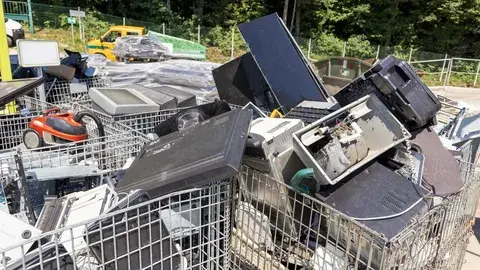
Businesses seeking commercial junk removal should ask how different materials will be handled. Furniture in good condition may be suitable for donation, while metal shelving and certain other components may enter recycling streams. Electronic equipment generally requires a separate assessment because computers, printers, monitors, and similar devices can contain recoverable materials and sensitive data.
Electronic waste deserves particular attention. The US Environmental Protection Agency identifies electronics recycling as an important way to recover valuable materials and reduce environmental impacts associated with improper disposal. However, acceptance rules vary by facility and item type, so businesses should verify local requirements rather than assume every disposal location accepts all equipment.
Another useful option is arranging commercial hauling services when the remaining materials exceed what employees can transport safely. Before confirming a provider, property managers should ask about accepted items, handling procedures, disposal practices, and whether the quoted service includes loading and transportation.
4. Protect the Property and Verify Completion
Equipment removal should protect the building as well as clear the rooms. Large cabinets, desks, and machinery can damage doorframes, flooring, elevators, and walls when moved without sufficient clearance. Workers should assess access routes before moving bulky objects and use suitable handling methods to reduce the risk of property damage.
Businesses should also establish a clear procedure for confidential materials. Filing cabinets may contain customer records, employee documents, financial paperwork, or other restricted information. These materials should be removed securely rather than mixed with general junk. Computers and storage devices should undergo appropriate data sanitization before reuse, resale, or recycling.
After removal, a final walkthrough can confirm that the agreed areas are clear. The inspection should cover storage closets, conference rooms, break areas, server rooms, and less visible corners where small equipment may remain. Photographs and a written completion record can help document the property's condition before the keys are returned.
What Affects the Cost of a Commercial Cleanout?
The price of a commercial cleanout depends on the quantity and type of material, the time required for loading, access limitations, transportation needs, and disposal requirements. A small office containing several desks and filing cabinets will generally involve different resources from a warehouse containing heavy machinery and extensive shelving.
The Environmental Protection Agency reports that the United States generated approximately 292.4 million tons of municipal solid waste in 2018, equivalent to about 4.9 pounds per person per day. Although this national figure covers a broad range of waste rather than commercial cleanouts alone, it illustrates the scale of the country's disposal challenge and the importance of considering recovery options.
Businesses should request a clear estimate based on the actual scope of work. Photographs, an item inventory, and details about stairs, elevators, parking, and loading access can help providers assess the job more accurately. They should also clarify whether additional charges could apply to unusually heavy equipment, restricted access, or specialized disposal.
Common Questions Before Hiring a Removal Provider
Which Items Can Be Removed After a Business Relocation?
Many providers accept office desks, chairs, filing cabinets, shelving, conference tables, and selected appliances or electronic equipment. Acceptance depends on the provider's capabilities and the item's condition. Businesses should disclose unusually heavy machinery, potentially hazardous materials, and equipment requiring specialized handling before scheduling service.
Should Electronics Be Cleared of Business Data Before Removal?
Yes. Businesses should secure confidential information before equipment leaves their control. Computers, external drives, servers, and other storage devices should undergo appropriate data sanitization, while paper records should follow the organization's document-destruction procedures. A general removal service should not be assumed to provide certified data destruction unless that service is specifically confirmed.
How Far in Advance Should a Cleanout Be Scheduled?
The appropriate lead time depends on the property's size, equipment volume, access arrangements, and lease deadline. Smaller offices may require less coordination than large commercial spaces. Scheduling early allows time to arrange building permissions, separate reusable assets, and address items that require special disposal.
Can Usable Office Furniture Be Donated Instead of Discarded?
Yes, provided the furniture is in acceptable condition and a receiving organization agrees to accept it. Businesses should confirm collection arrangements and any restrictions before removal day. Donation is not guaranteed for every item, so a separate plan may still be needed for damaged or unwanted materials.
What Should Property Managers Check Before Accepting the Space?
Property managers should verify that all agreed items have been removed, authorized fixtures remain intact, and no visible damage has occurred during loading. They should also check storage areas, utility rooms, and access routes. Comparing the final condition with lease requirements helps clarify whether additional cleaning or repairs remain necessary.
Preparing a Commercial Property for Its Next Use
Removing leftover equipment is an important part of closing one business location and preparing it for another purpose. A structured assessment, realistic schedule, responsible disposal plan, and final inspection help reduce disruption and keep the property transition organized.
Businesses that treat the cleanout as a planned operational task rather than a last-minute chore are better positioned to manage deadlines, protect confidential information, and avoid unnecessary disposal costs. The right approach depends on the building, the equipment involved, and the requirements established by the property owner.
Arrange a Commercial Property Cleanout
Businesses preparing to vacate an office or commercial unit can contact Supreme Junk Removal & Services to discuss their remaining equipment, furniture, and unwanted materials. Sharing an item list, property access details, and the expected completion date helps establish the scope of the removal. A clear plan can also identify items requiring separate recycling or disposal arrangements. By organizing these details before scheduling, businesses can prepare their former premises for inspection, cleaning, and the next stage of occupancy with fewer last-minute complications.